Almerini, Giuseppe Giovanni
| Thumbnail | 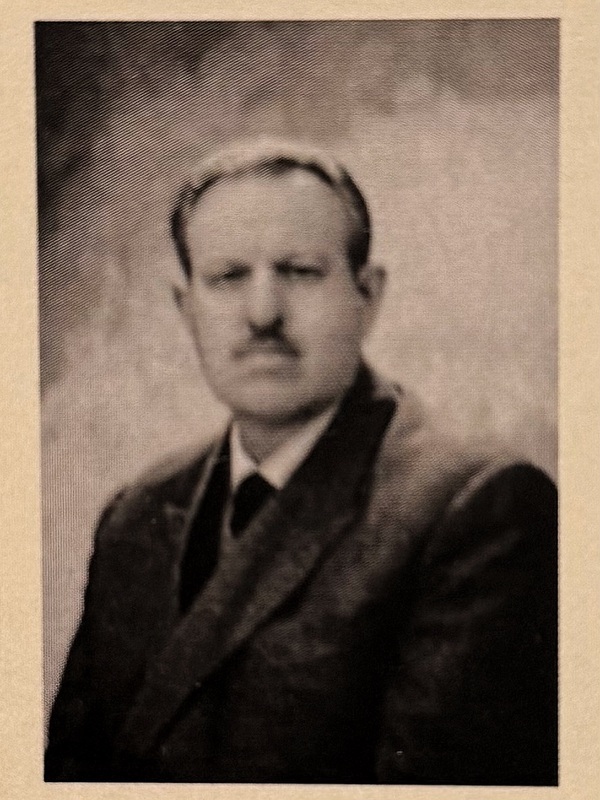 |
| Title | Almerini, Giuseppe Giovanni |
| Family Name | Almerini |
| Given Name(s) | Giuseppe Giovanni |
| Alternate Name(s) / Title(s) | Pipin |
| Pippo Werini | |
| Il Maligno | |
| Gender | Male |
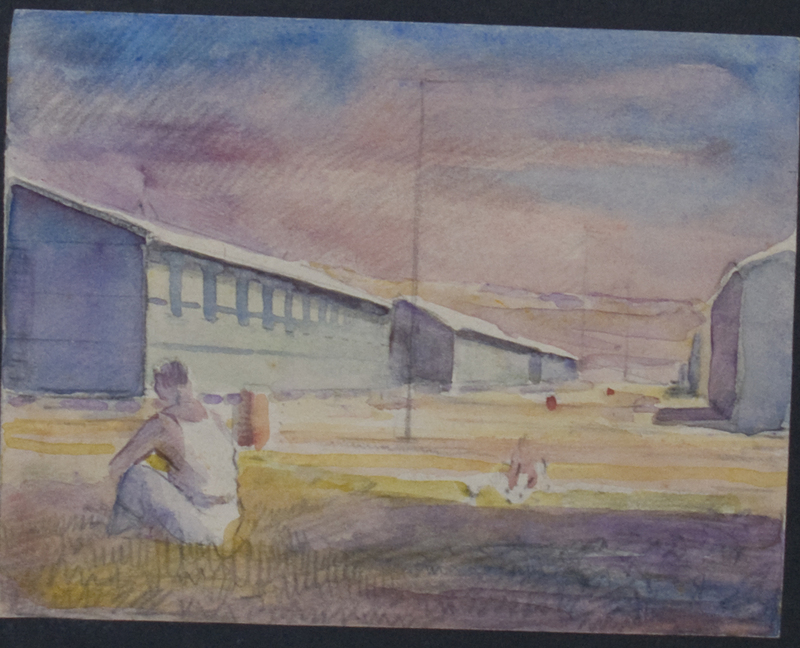
| Full Biographical Data | Giuseppe Almerini was born in Ospedaletti (Imperia) on January 18, 1911, to his father Antonio, an artisan, and his mother Veronica, who worked in agriculture. From an early age he showed a natural inclination for drawing and painting, a passion not inherited from his family but cultivated independently with dedication and sensitivity. Despite this artistic vocation, he pursued a technical course of study, earning a diploma as an accountant. At the age of twenty, Almerini completed his military service as a Marò (naval infantryman) in La Spezia, where he remained until 1933. In 1940, as Italy was about to enter the Second World War, he was recalled by the Savona Military District as an infantryman and reported on April 8 to Sarzana, where he was assigned to the 21st Infantry Regiment “Cremona.” After a period of convalescence spent at home, he was assigned with the rank of Sergeant to the 89th Mobilized Infantry Regiment, then to the 205th Complementary Marching Artillery Battalion (7th Mobilized Regiment), and subsequently to the 880th Infantry Battalion. Deployed to Sicily, Almerini was captured by Allied troops at Capo Feto on July 23, 1943. He was transferred to the United States, where he arrived on September 27, 1943, after passing through Tunisia and Algeria. During his imprisonment in American prisoner-of-war camps, he had the opportunity to resume painting thanks to the commander of Camp Weingarten and his wife, both enthusiasts of flowers and Italian art. Provided with pastels and paints, Almerini returned to artistic activity, leaving behind a valuable visual record of daily life in the prison camps and of his frequent transfers across the United States, as documented in his paintings. After returning from the war in the spring of 1946, Almerini resumed his artistic activity with renewed energy, participating in numerous exhibitions and events that brought him significant recognition within the Ligurian art scene. His educational background and knowledge of three languages—Italian, French, and English—proved fundamental upon his return, when he found employment at the Ministry of Labour and Social Security, at the Provincial Office of Labour and Maximum Employment, Sanremo branch, where he served as Chief Employment Officer. He married in April 1952 and had his only daughter, Ave, in February 1953. Giuseppe Almerini died in Ospedaletti on July 19, 1973. Biography partially taken from the Biography “Con la tavolozza in mano. Giuseppe Almerini, pittore” written by Claudio Baroni, professional journalist and Almerini’s nephew. |
| Related Resources | Red Cross letter acknowledging receipt of 152 articles |
| P O W Number | 8W162194 |
| Honorific | Sergeant |
| Birth Date | 1911-01-18 |
| Country Of Birth | Italy |
| Place Of Birth | Ospedaletti |
| Journey | Ospedaletti |
| La Spezia | |
| Sarzana | |
| Ospedaletti | |
| Capo Feto | |
| Mazara del Vallo | |
| Castel Vetrano | |
| Sciacca | |
| Licata | |
| Cape Bon | |
| Bizerte | |
| Souk Ahras | |
| Orano | |
| Gibraltar | |
| Camp in Norfolk | |
| Memphis | |
| Camp Monticello | |
| Mississippi | |
| Alabama | |
| Georgia | |
| South Carolina | |
| Camp Butner | |
| Virginia | |
| West Virginia | |
| Cincinnati | |
| Indiana | |
| Chicago | |
| POW Camp Weingarten | |
| Kansas City | |
| Tulsa | |
| POW Camp Hereford | |
| Clovis | |
| Arizona | |
| Los Angeles | |
| San Bernardino | |
| Pasadena | |
| Pomona | |
| Long Beach | |
| Mexico | |
| Guatemala | |
| San Salvador | |
| Honduras | |
| Venezuela | |
| Panama | |
| Balboa | |
| Panama Canal | |
| Gatun Lake | |
| Greater Antilles | |
| Puerto Rico | |
| Haiti | |
| Gibraltar | |
| Napoli | |
| Ospedaletti | |
| Death Date | 1973-07-19 |
| Country Of Death | Italy |
| Place Of Death | Sanremo |
| Cause Of Death | heart failure|illness |
| Initial Place Of Burial | Ospedaletti |
| Current Resting Place | Ospedaletti |
| Languages Spoken | Italian (IT, ITA) |
| English (EN, ENG) | |
| French (FR, FRE) | |
| Bibliographic Citation | “Con la tavolozza in mano. Giuseppe Almerini, pittore” written by Claudio Baroni, professional journalist and Almerini’s nephew. |
| Linked From | Campagna nel Missuori (T.A.), n.100 |
| Montagna, n.99 | |
| Fattoria, n.98 | |
| Colombo, L’Ortica, n.97 | |
| Nobildonna, L’Ortica (Copertina n.11), n.96 | |
| Madonna, L’Ortica, n.95 | |
| Sognando Venezia, n.94 | |
| Torretta, n.93 | |
| Baracche, n.92 | |
| Ritratto di donna, n.91 | |
| Alberi autunnali nel campo, n.90 | |
| Uomo nel campo, n.89 | |
| Spaccio, n.88 | |
| Baracche, n.87 | |
| Messa al campo, n.86 | |
| Automobile parcheggiata fuori casa, n.85 | |
| Campo in inverno, n.84 | |
| Campo recintato, n.83 | |
| Campo, n.82 | |
| Mondo oscuro (T.A.), n.81 | |
| Soldato che dorme, n.80 | |
| Messa al campo, n.79 | |
| Uomo nel campo, n.78 | |
| Copertina di album in pelle con soggetti, n.77 | |
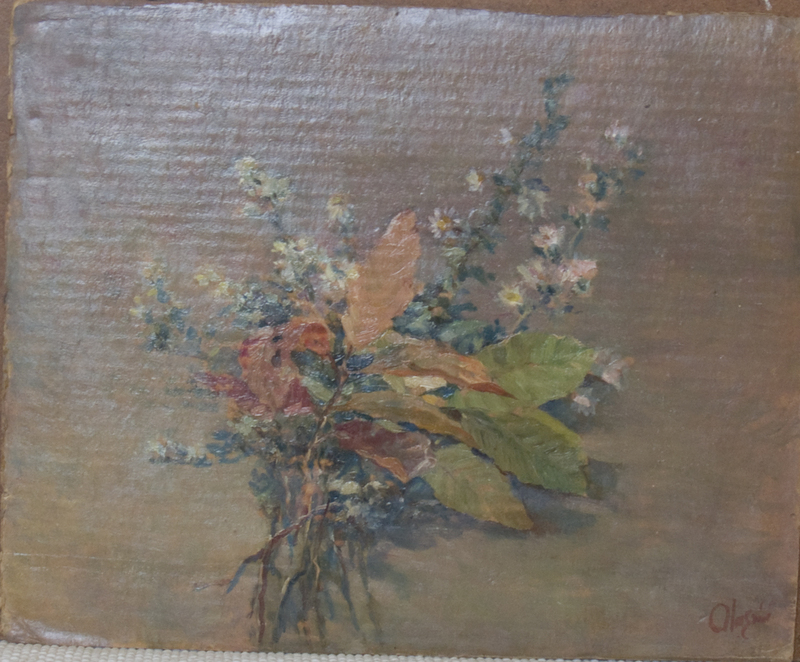
| Mazzo di fiori e foglie, n.76 |
Periods of Captivity

Camp in Norfolk/30 Sept 1943-date of transfer unknown
| Title | Camp in Norfolk/30 Sept 1943-date of transfer unknown |
| Classification | Prisoner of War |
| Place Of Capture | Capo Feto |
| Date Of Capture | 1943-07-23 |
| Transport Type | Truck |
| Motorcycle | |
| On foot | |
| Train | |
| Liberty ship | |
| Date Of Internment | 1943-09-30 |
| Camp Or Place Held Captive | Camp in Norfolk |
Camp Monticello/dates unknown (between Sept 1943 and March 1946)
| Title | Camp Monticello/dates unknown (between Sept 1943 and March 1946) |
Camp Butner/dates unknown (between Sept 1943 and March 1946)
| Title | Camp Butner/dates unknown (between Sept 1943 and March 1946) |
| Camp Or Place Held Captive | Camp Butner |
POW Camp Weingarten/dates unknown (between Sept 1943 and March 1946)
| Title | POW Camp Weingarten/dates unknown (between Sept 1943 and March 1946) |
| Camp Or Place Held Captive | POW Camp Weingarten |
| Role Or Work | Thanks to the commander of Camp Weingarten and his wife, both enthusiasts of flowers and Italian art, he had the opportunity to resume painting . Provided with pastels and paints, Almerini returned to artistic activity, leaving behind a valuable visual record of daily life in the prison camps and of his frequent transfers across the United States, as documented in his paintings. |
POW Camp Hereford/dates unknown (between Sept 1943 and March 1946)
| Title | POW Camp Hereford/dates unknown (between Sept 1943 and March 1946) |
| Date Of Repatriation | 1946-03-01 |
Linked records

Campagna nel Missuori (T.A.), n.100
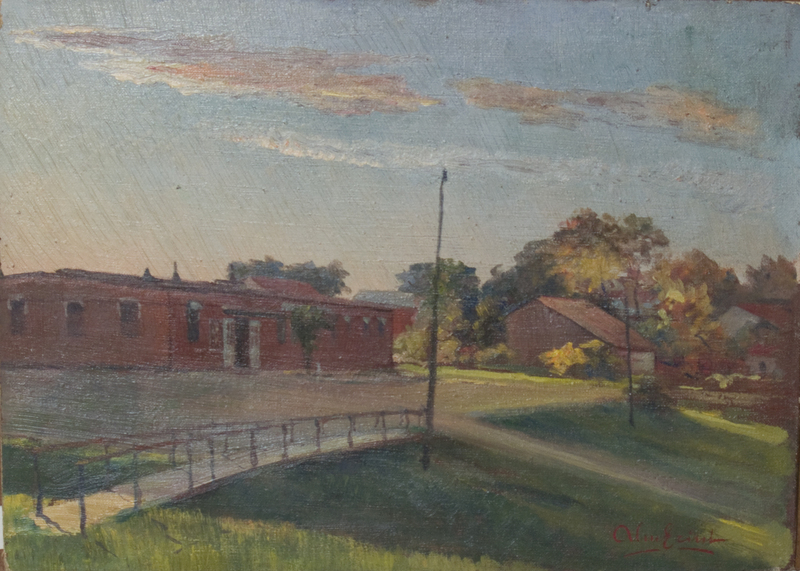
Montagna, n.99
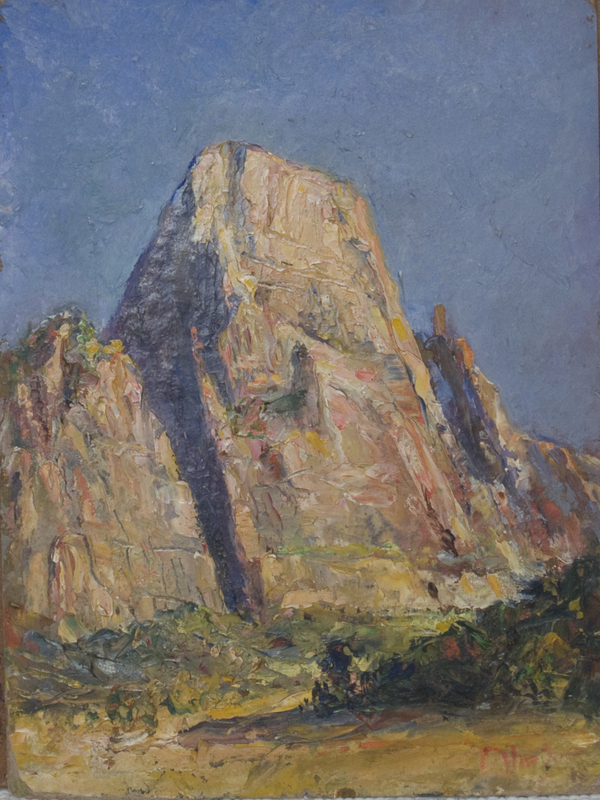
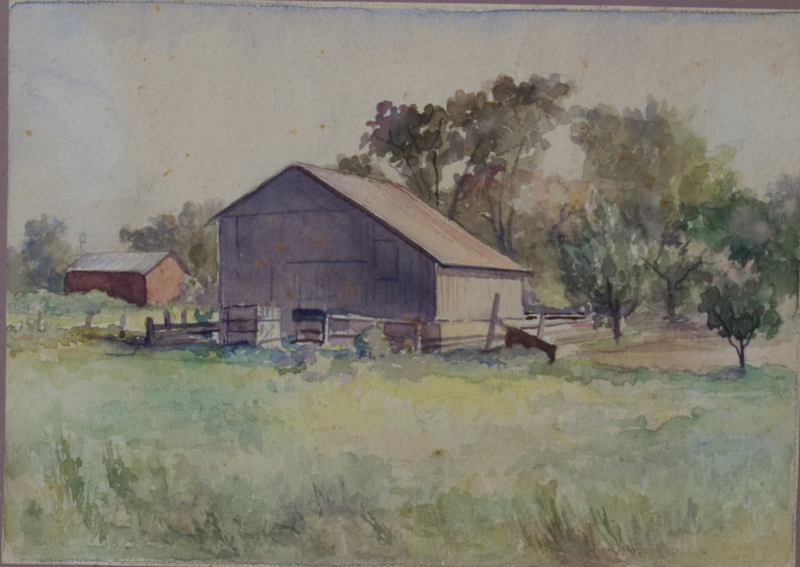
Fattoria, n.98
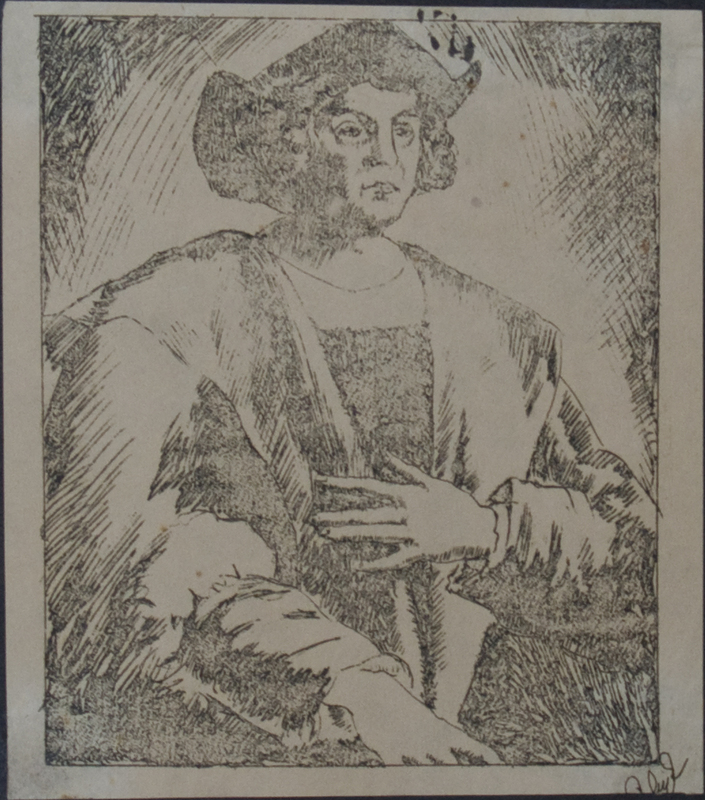
Colombo, L'Ortica, n.97
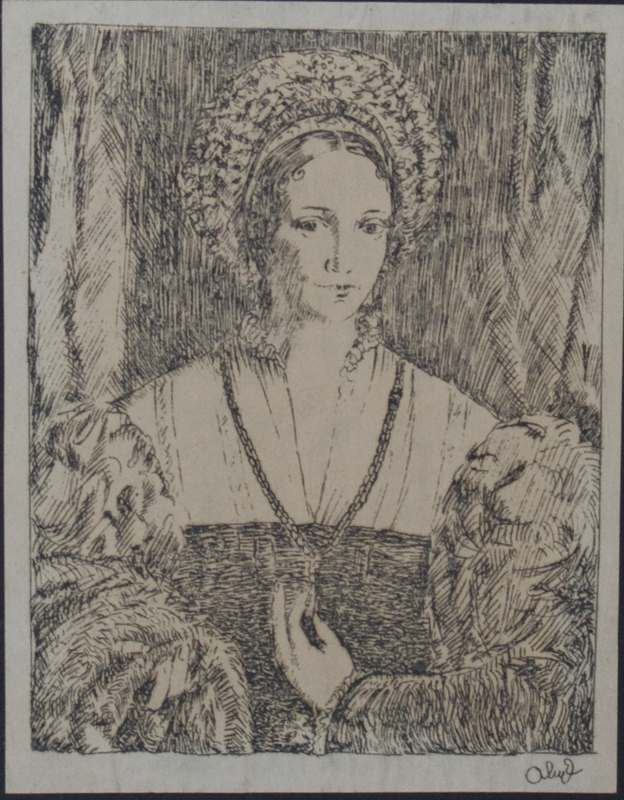
Nobildonna, L'Ortica (Copertina n.11), n.96
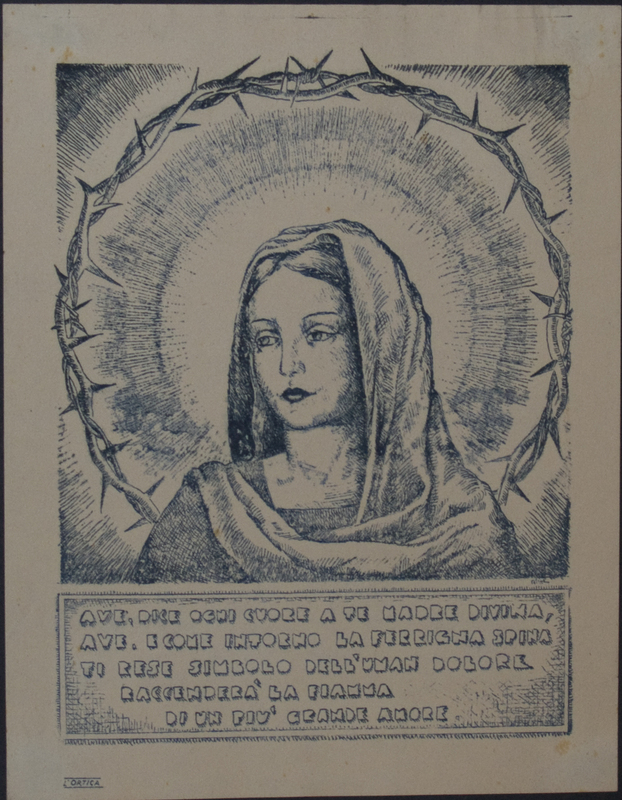
Madonna, L'Ortica, n.95
Sognando Venezia, n.94
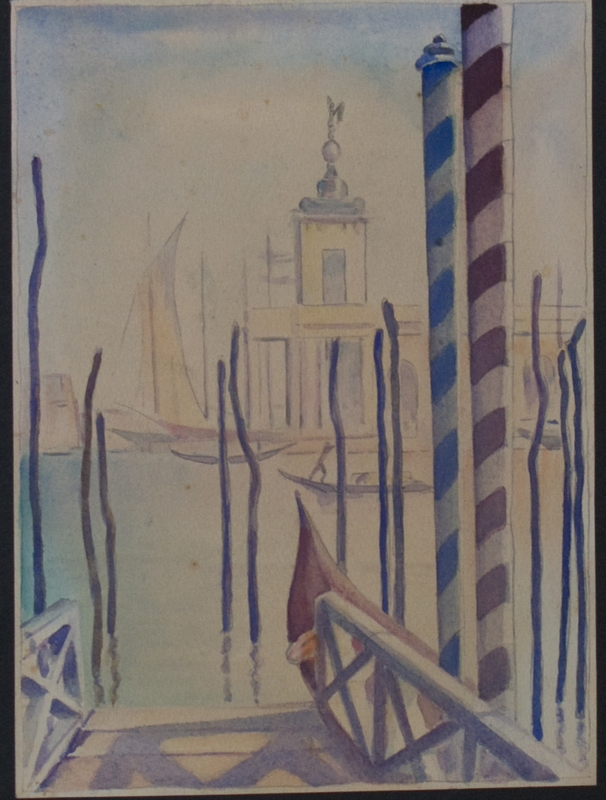
Torretta, n.93
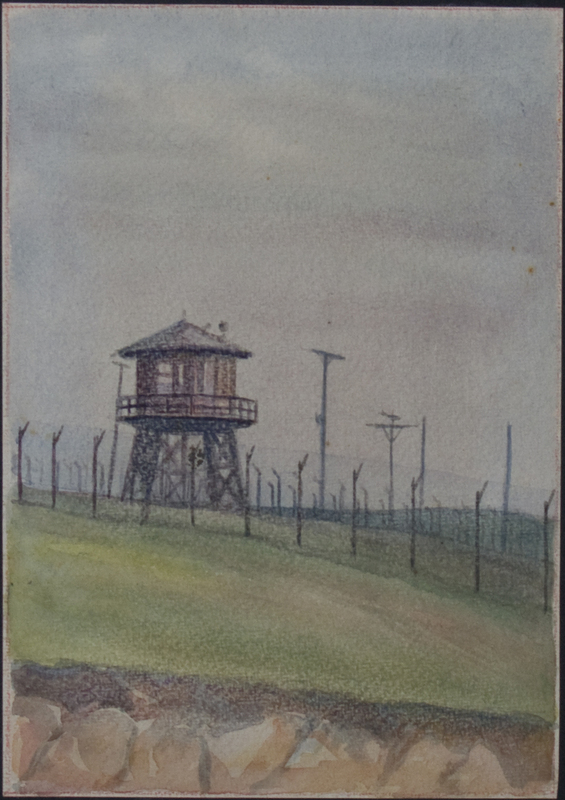
Baracche, n.92
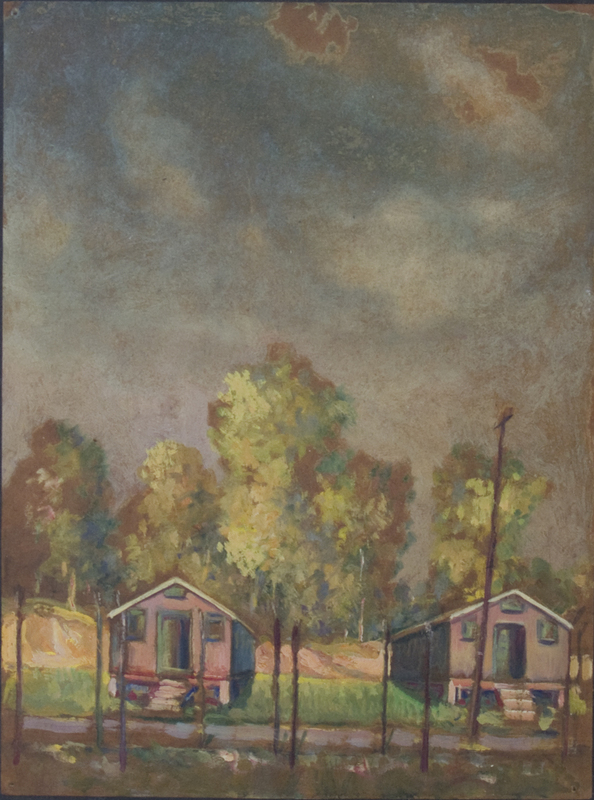
Ritratto di donna, n.91
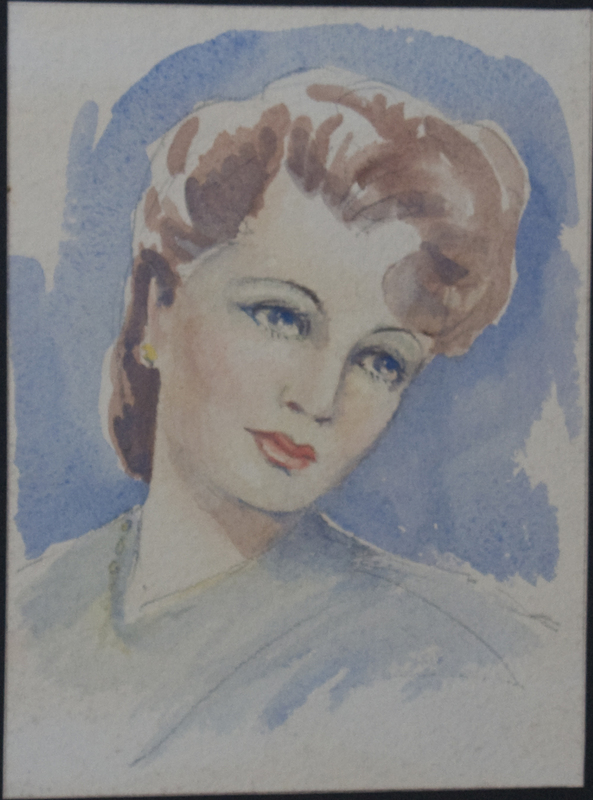
Alberi autunnali nel campo, n.90
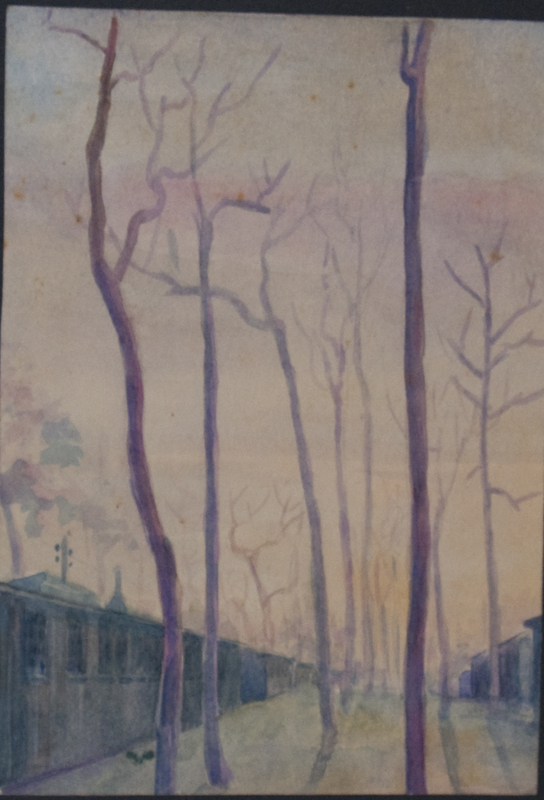
Uomo nel campo, n.89
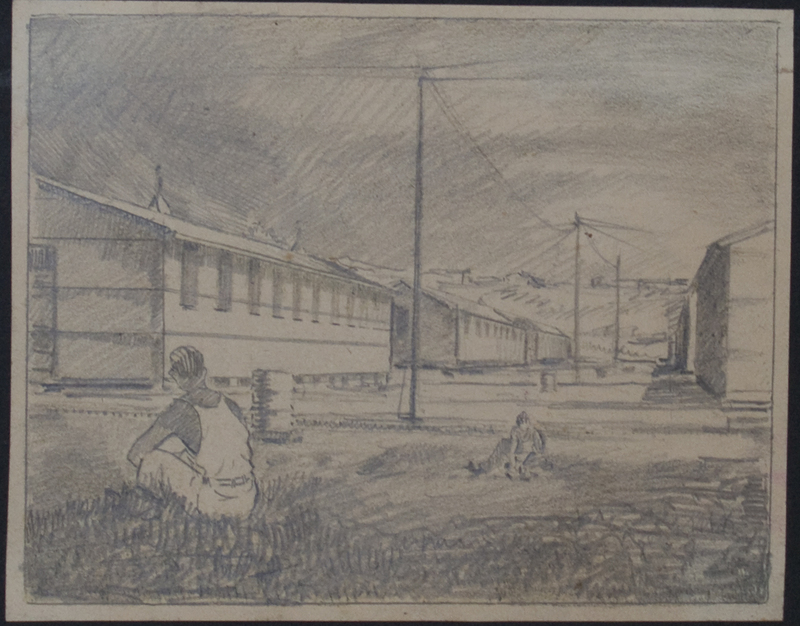
Spaccio, n.88
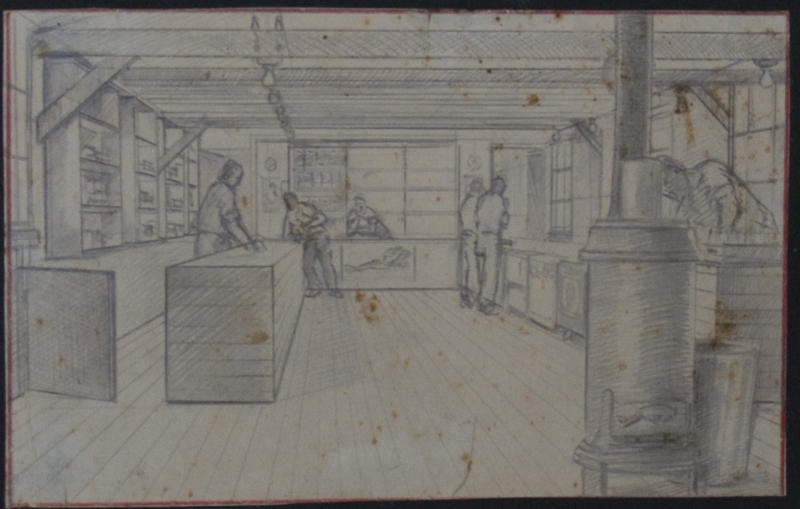
Baracche, n.87
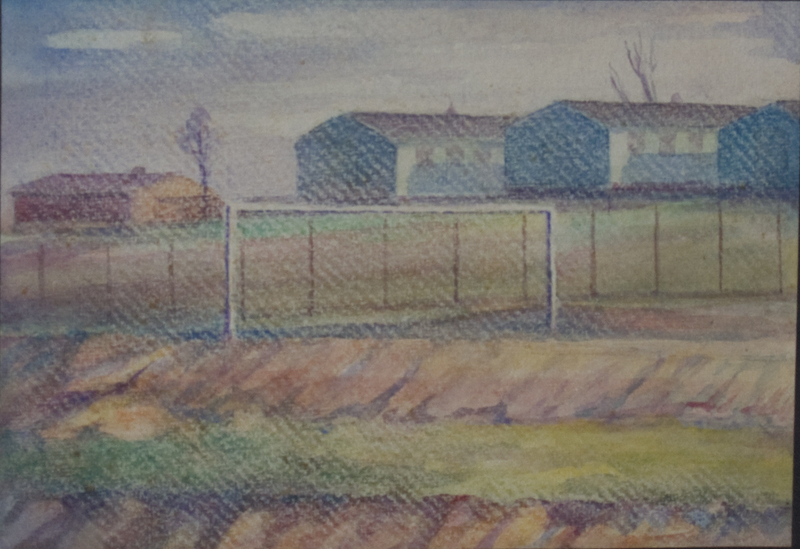
Messa al campo, n.86
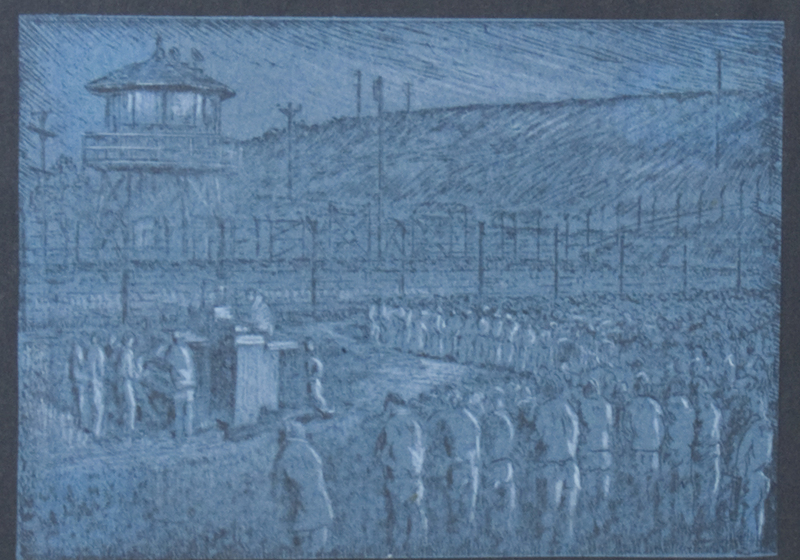
Automobile parcheggiata fuori casa, n.85
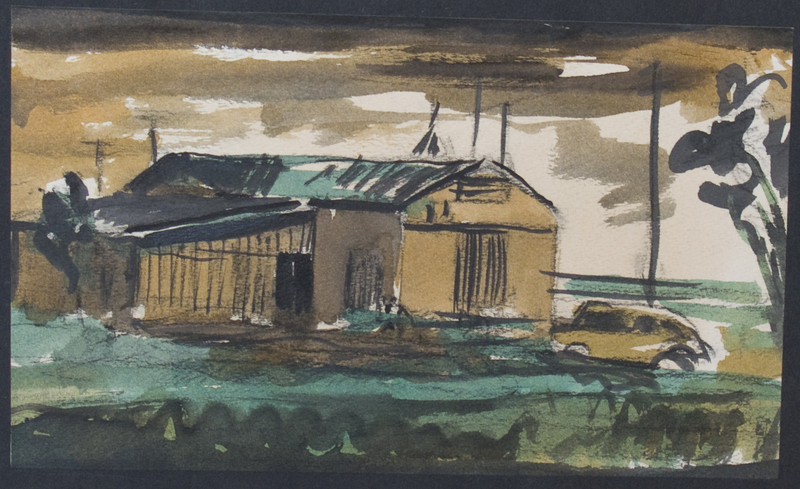
Campo in inverno, n.84
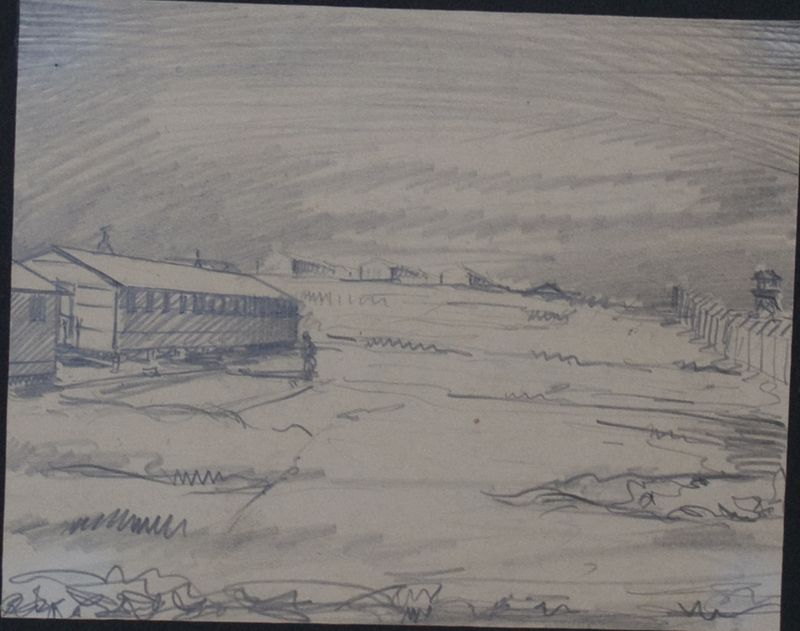
Campo recintato, n.83
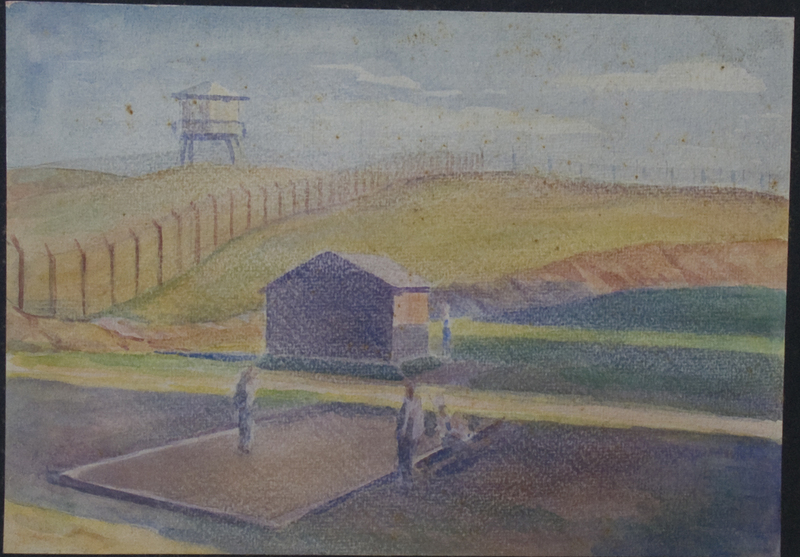
Campo, n.82
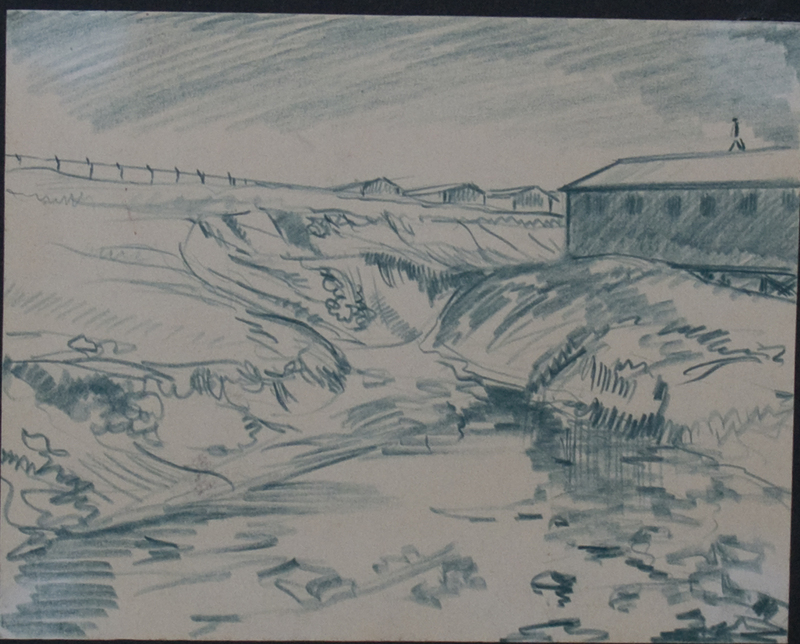
Mondo oscuro (T.A.), n.81
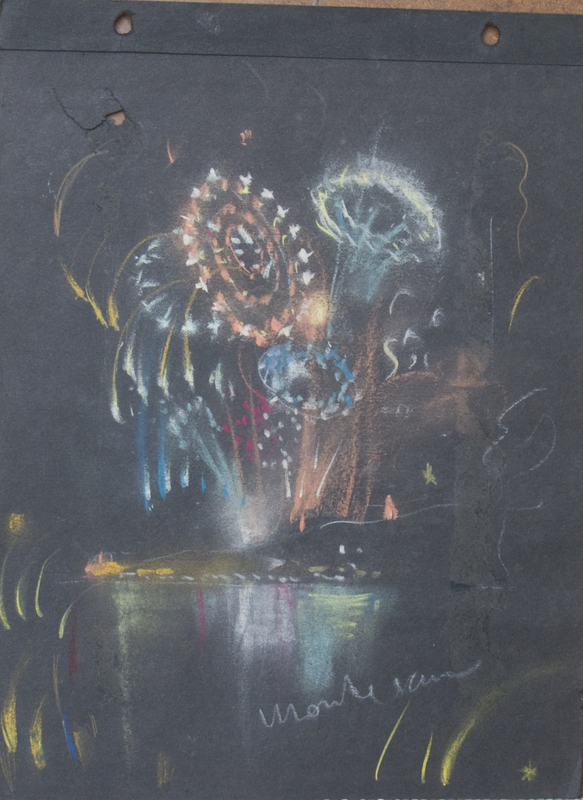
Soldato che dorme, n.80
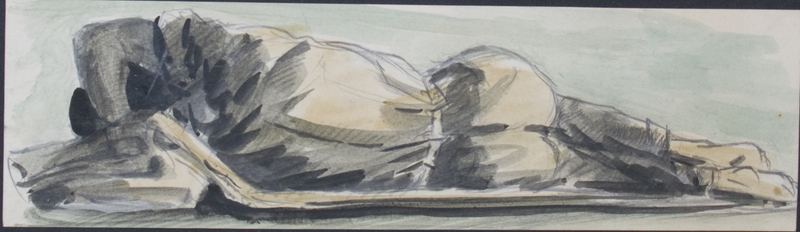
Messa al campo, n.79
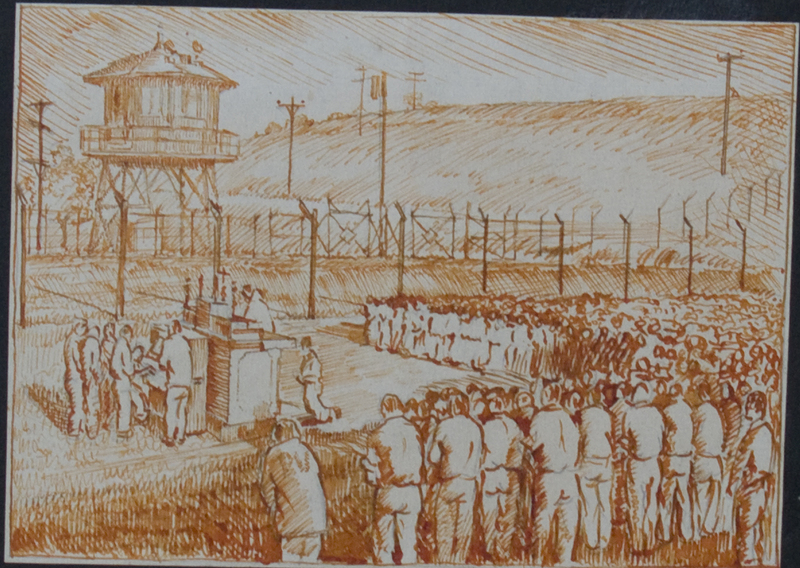
Uomo nel campo, n.78
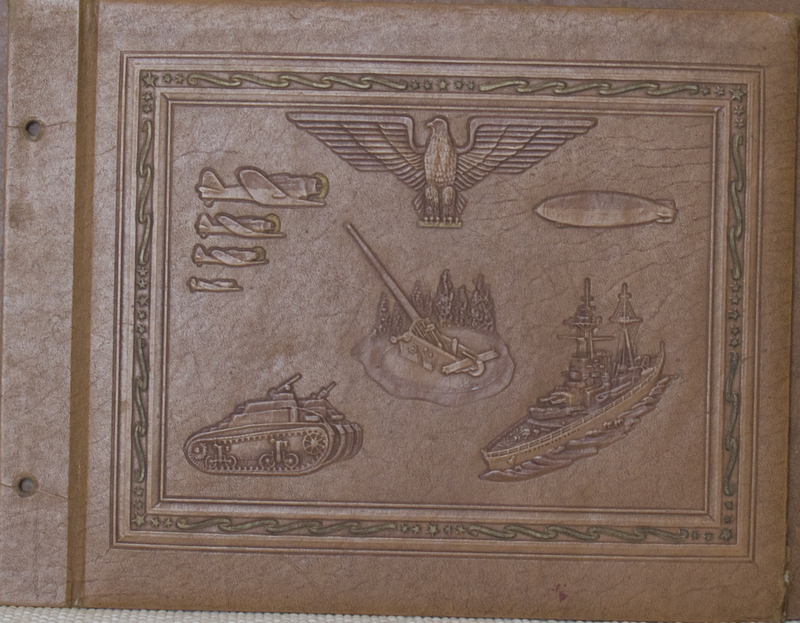
Copertina di album in pelle con soggetti, n.77
Mazzo di fiori e foglie, n.76